
In the aftermath of a disaster, you may wonder about the critical role material testing plays in the recovery and reconstruction process digital compression testing machine. How does it truly impact the safety and resilience of structures, and why is it essential for decision-making post-disaster? Material testing holds the key to ensuring not just the stability but the long-term viability of rebuilt structures, but how exactly does it achieve this? By exploring these questions, you’ll uncover the intricate web of factors that make material testing indispensable in disaster recovery and reconstruction efforts.
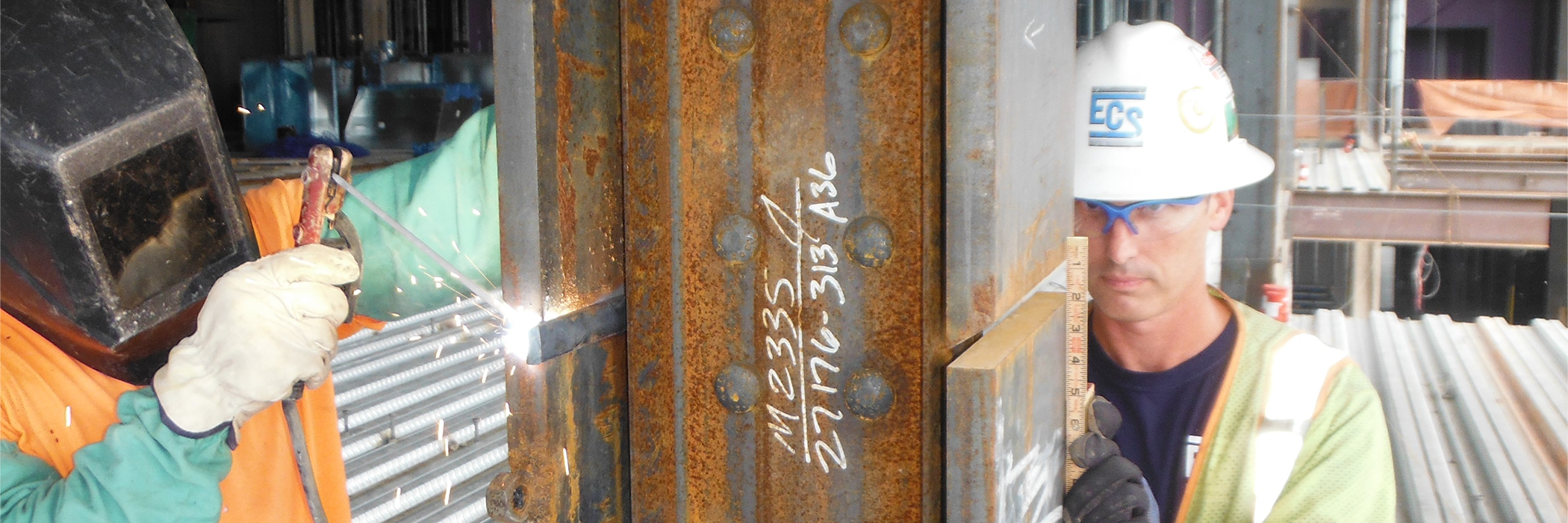
Importance of Material Testing Post-Disaster
After a disaster strikes, conducting material testing is crucial to assess the structural integrity of buildings and infrastructure. This process is essential for ensuring the safety of individuals returning to or residing in affected areas. By analyzing the materials used in construction, engineers can identify weaknesses caused by the disaster and determine the extent of damage. Material testing provides valuable data that informs decisions regarding the repair, reinforcement, or replacement of building components.
Moreover, material testing plays a pivotal role in establishing the overall stability of structures in the aftermath of a disaster. By evaluating the strength and durability of materials https://nl-test.com/news/universal-testing-machines, engineers can ascertain whether buildings can withstand future stresses or if they require immediate intervention. This information guides the prioritization of reconstruction efforts, focusing resources where they’re most urgently needed to restore functionality and safety to the affected community.
Types of Materials Tested
When it comes to material testing in disaster recovery and reconstruction, the focus is on assessing material strength and durability. These two key aspects play a crucial role in determining the structural integrity and longevity of buildings and infrastructure.
Material Strength Testing
Various types of materials undergo strength testing in disaster recovery and reconstruction efforts. Common materials tested include concrete, steel, wood, and masonry.
Concrete is evaluated for compressive strength to ensure its structural integrity. Steel undergoes tensile strength tests to assess its ability to withstand tension. Wood is tested for bending strength to determine its load-bearing capacity. Masonry materials are subject to compression tests to gauge their ability to resist vertical forces.
These tests help engineers identify weak points in structures and select appropriate materials for reconstruction. By assessing the strength of materials, disaster recovery teams can ensure the safety and longevity of rebuilt structures, mitigating risks of future disasters.
Durability Assessment
To evaluate the durability of materials in disaster recovery and reconstruction, specific types of materials undergo testing to ensure their resilience and longevity in the face of potential future disasters. Various materials like concrete, steel, wood, and composites are commonly tested for durability.
Concrete is assessed for its resistance to cracking and deterioration under stress or environmental conditions. Steel undergoes tests for corrosion resistance and structural integrity. Wood is evaluated for its ability to withstand moisture, decay, and insect damage. Composites are tested for their durability under varying temperatures and loads.
The results of these tests help in selecting materials that can endure the challenges posed by disasters and contribute to the long-term sustainability of reconstructed structures.
Testing Methods and Techniques
Utilize advanced instrumentation and standardized procedures to conduct material testing effectively in disaster recovery and reconstruction efforts. Various testing methods and techniques play a crucial role in assessing the quality and structural integrity of materials post-disaster. Non-destructive testing, such as ultrasonic testing and thermography, allows for thorough examination without causing further damage to the structure. These methods provide insights into material properties, including strength, composition, and potential defects.
Furthermore, destructive testing, like tensile testing and impact testing, involves subjecting materials to controlled stress to evaluate their performance under different conditions. This helps in determining the structural soundness and durability of materials for reconstruction purposes. Additionally, chemical analysis techniques, such as spectroscopy and chromatography, aid in identifying contaminants or assessing material composition changes due to environmental factors.

Impact on Structural Integrity
Assessing the strength of materials is crucial in determining the structural integrity of a building post-disaster. Through structural stability assessments, engineers can identify potential weaknesses and recommend appropriate reinforcement measures.
Failure analysis techniques provide valuable insights into the root causes of structural failures, aiding in the development of effective reconstruction strategies.
Strength of Materials
Examining the impact of material strength on structural integrity is crucial in disaster recovery and reconstruction efforts. The strength of materials determines the ability of a structure to withstand external forces and maintain its stability.
Testing materials for their strength involves evaluating properties like tensile strength, compression resistance, and shear strength. By understanding how different materials react under stress, engineers can make informed decisions on the suitability of materials for reconstruction projects.
High-strength materials such as reinforced concrete or steel are often preferred for their durability and load-bearing capacity. Identifying weak points in materials can prevent structural failures during disasters and ensure the longevity of reconstructed buildings.
Therefore, thorough testing of material strength is essential for creating resilient structures in disaster-prone areas.
Structural Stability Assessment
Understanding the impact of structural stability assessments on the integrity of a building is fundamental in ensuring its resilience during disaster recovery and reconstruction efforts. By conducting thorough structural stability assessments, engineers can evaluate the overall condition of a structure, identify potential weaknesses, and determine the extent of damage caused by a disaster.
These assessments involve examining factors such as load-bearing capacity, stress distribution, and structural deformations to assess the building’s ability to withstand external forces. Through advanced techniques like non-destructive testing and computer simulations, experts can accurately analyze the structural integrity of a building, allowing for informed decisions during the reconstruction process.
Prioritizing structural stability assessments is crucial for ensuring the safety and durability of buildings in post-disaster scenarios.
Failure Analysis Techniques
Utilizing advanced failure analysis techniques is essential for determining the impact on structural integrity in disaster recovery and reconstruction efforts. These techniques involve a detailed examination of structural components to identify the root causes of failure, such as material fatigue, design flaws, or external forces.
By analyzing the failure modes, investigators can develop effective strategies to prevent similar failures in the future. Common techniques include visual inspections, non-destructive testing, and computer simulations to assess the structural response under different conditions.
Understanding the failure mechanisms is crucial for making informed decisions regarding repairs, upgrades, or replacements to ensure the long-term stability and safety of the structure. Failure analysis plays a critical role in enhancing the resilience of infrastructure in the face of disasters.
Role in Decision-Making Process
Material testing plays a crucial role in informing strategic decisions during disaster recovery and reconstruction efforts. By conducting material tests on various components and structures, you gain valuable insights into the condition, strength, and durability of the materials involved. These test results serve as critical data points that help guide the decision-making process in terms of what actions to take next. For example, test results indicating structural weaknesses may prompt you to prioritize certain areas for immediate reinforcement or replacement to ensure safety and prevent further damage.
Moreover, material testing helps in determining the most suitable materials for reconstruction projects based on their performance under different conditions. Understanding how different materials behave under stress, temperature variations, or environmental factors can influence decisions on material selection, design modifications, and construction techniques. This data-driven approach allows you to make informed choices that optimize resources, enhance structural integrity, and increase the overall resilience of buildings and infrastructure in post-disaster scenarios.
Ensuring Safety and Resilience
To ensure safety and resilience in disaster recovery and reconstruction efforts, thorough material testing is imperative for evaluating structural integrity and durability. By subjecting materials to various tests such as compression tests, tensile tests, and impact tests, engineers can assess how different materials perform under stress and determine their suitability for use in rebuilding structures.
Material testing helps identify potential weaknesses or defects that could compromise the safety and stability of reconstructed buildings. Additionally, testing allows for the selection of materials that can withstand natural disasters such as earthquakes, hurricanes, or floods, enhancing the overall resilience of the infrastructure.
It provides crucial data that informs decision-making processes regarding the choice of materials and construction techniques, ensuring that structures meet safety standards and can withstand future potential hazards. Ultimately, material testing plays a vital role in safeguarding lives and properties during the recovery and reconstruction phases following a disaster.
Future Implications and Considerations
Considering upcoming advancements in construction technology, it’s essential to anticipate how material testing practices will evolve to meet the demands of future disaster recovery and reconstruction projects. With the increasing complexity of building materials and designs, material testing will likely shift towards more advanced non-destructive testing methods such as ultrasound scanning, thermal imaging, and advanced spectroscopy techniques. These technologies can provide detailed insights into material properties without causing damage, allowing for more thorough assessments of structural integrity post-disaster. Additionally, the integration of artificial intelligence and machine learning algorithms in material testing processes may streamline data analysis, enabling quicker decision-making in reconstruction efforts.
Furthermore, the future of material testing in disaster recovery could involve the development of smart materials that can self-monitor and relay data on their condition in real-time. This proactive approach could revolutionize how structures are monitored and maintained, enhancing resilience against future disasters. As construction materials continue to advance, material testing practices must adapt accordingly to ensure the safety and longevity of reconstructed infrastructure.
Conclusion
In conclusion, material testing plays a critical role in the post-disaster recovery and reconstruction process by assessing structural integrity, identifying weaknesses, and guiding decision-making. Through testing various materials and utilizing different methods, it ensures the safety, durability, and resilience of rebuilt structures.
By prioritizing safety standards compliance and enhancing stability, material testing significantly contributes to the long-term success of reconstruction efforts. It’s an essential component in ensuring the overall safety and stability of structures post-disaster.