As event planners navigate the landscape of hybrid gatherings, the quest for suitable venues becomes a strategic pursuit. From cutting-edge technology integration to ensuring seamless engagement for both virtual and in-person participants, the criteria for selecting the perfect space are multifaceted. The balance between technological capabilities, logistical convenience, and immersive experiences is delicate yet pivotal. In a realm where adaptability and innovation reign, the choice of venue can either elevate the event to new heights of connectivity and engagement or present unforeseen challenges event space rental. Let’s explore the intricate dance between venue selection and the success of hybrid events.

Understanding Hybrid Event Requirements
To successfully execute a hybrid event, a thorough understanding of the specific requirements involved is paramount. Hybrid events blend in-person and virtual elements, requiring careful planning to ensure a seamless experience for both physical and remote attendees venues in Singapore. One key requirement is the need for cutting-edge technology to facilitate live streaming, virtual interactions, and seamless integration between the physical and digital components. Event organizers must also consider the layout and design of the venue to accommodate both in-person attendees and virtual participants, ensuring that everyone feels engaged and included.
Moreover, a reliable internet connection is essential to support the virtual aspects of the event, enabling smooth video streaming, real-time interactions, and access to digital content. Accessibility features, such as closed captioning and sign language interpreters, may also be necessary to cater to a diverse audience. Understanding these requirements and tailoring the event accordingly is crucial for creating a successful hybrid event that offers a seamless and inclusive experience for all participants.
Location Accessibility and Connectivity
Ensuring seamless access and connectivity for both physical and virtual attendees is a pivotal consideration when evaluating the location for a hybrid event. The chosen venue should offer excellent transportation links, including proximity to airports, train stations, and major highways. Accessibility features such as ramps, elevators, and designated parking spaces are essential to accommodate all guests, regardless of any mobility restrictions they may have. Moreover, the venue must have robust internet connectivity to support the virtual aspect of the event, ensuring that online participants can engage fully with the content and activities.
In addition to physical accessibility, the location should also provide technological support for virtual attendees, including high-speed Wi-Fi, video conferencing capabilities, and technical assistance on-site. Seamless integration between the physical and virtual components of the event is crucial for creating an inclusive and engaging experience for all participants. By prioritizing location accessibility and connectivity, event organizers can set the stage for a successful hybrid event that maximizes engagement and participation.
Venue Capacity and Layout Flexibility
When planning hybrid events, it is crucial to consider the capacity of the venue to ensure that it can accommodate both in-person and virtual attendees seamlessly.
Additionally, the flexibility of the layout is essential to create a dynamic environment that can easily transition between physical and digital setups.
Balancing these factors will be key in designing an engaging and inclusive experience for all participants.
Capacity Considerations
Considering the maximum capacity and versatility of a venue is crucial when planning hybrid events to ensure optimal attendee experience and seamless execution. The venue’s capacity should align with the anticipated number of both in-person and virtual attendees, allowing for a comfortable and engaging environment for all participants.
Flexibility in layout is essential to accommodate various setups, such as networking areas, presentation stages, and interactive zones. Venues with adaptable spaces, such as movable partitions or modular furniture, offer the freedom to customize the layout based on the event’s specific needs.
Assessing these capacity considerations early in the planning stages enables organizers to select a venue that can effortlessly transition between in-person and virtual components, creating a dynamic and inclusive event experience.
Layout Adaptability
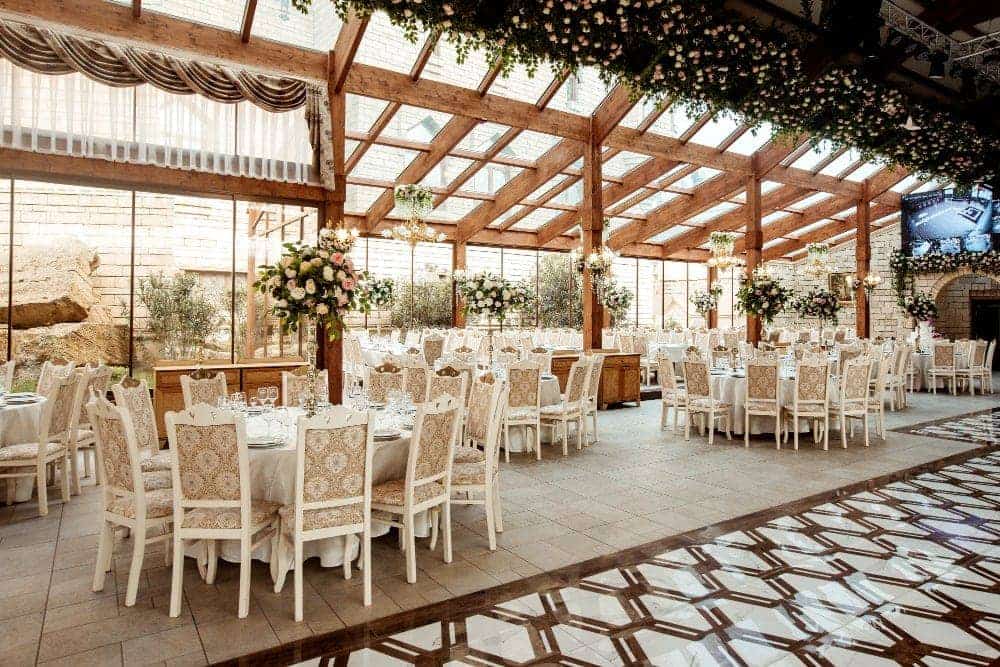
With an emphasis on adaptability and flexibility, the layout of a venue plays a pivotal role in facilitating a seamless transition between in-person and virtual components for hybrid events. Venue capacity and layout flexibility are crucial considerations when planning a hybrid event.
The ability to quickly reconfigure seating arrangements, stage setups, and technology integration allows for a dynamic event experience. Venues with movable walls, adjustable lighting, and versatile furniture grant event organizers the freedom to create distinct spaces for different activities, whether they are physical or virtual.
Technology Infrastructure and Support
To ensure the seamless execution of hybrid events, a robust technology infrastructure and dedicated support team are essential components. A reliable internet connection with adequate bandwidth is crucial for live streaming, virtual interactions, and seamless communication between onsite and remote attendees. High-quality audiovisual equipment, such as cameras, microphones, and screens, is necessary to enhance the overall event experience. Additionally, having backup equipment on standby can prevent any technical glitches from derailing the event.
A dedicated support team comprised of experienced technicians and IT specialists is vital to troubleshoot any issues that may arise during the event. Their presence ensures that technical problems are swiftly addressed, minimizing disruptions and allowing the event to proceed smoothly. Furthermore, having a help desk or tech support hotline for attendees can provide quick solutions to common technical difficulties, enhancing the overall participant experience.
Audiovisual and Streaming Capabilities
Given the importance of a robust technology infrastructure and dedicated support team for hybrid events, a focus on audiovisual and streaming capabilities becomes paramount to provide a seamless and engaging experience for both onsite and remote attendees. When selecting venues for hybrid events, it is crucial to ensure that the chosen location offers state-of-the-art audiovisual equipment to support high-quality sound and visuals for in-person participants. Additionally, venues should have reliable streaming capabilities to broadcast the event live to virtual attendees around the world.
The integration of advanced AV technology, such as high-definition cameras, professional microphones, and interactive displays, can enhance the overall event experience and facilitate seamless communication between onsite and remote participants. Furthermore, venues with experienced AV technicians on-site can troubleshoot any technical issues that may arise during the event, ensuring uninterrupted streaming and a glitch-free experience for all attendees. By prioritizing audiovisual and streaming capabilities when selecting venues for hybrid events, organizers can create an immersive and inclusive experience that caters to the needs of both in-person and virtual audiences.
Audience Engagement Features
Incorporating interactive tools and gamification elements can significantly enhance audience engagement during hybrid events. By integrating live polls, Q&A sessions, and virtual networking opportunities, attendees can actively participate and feel more connected to the event. These interactive features not only encourage participation but also provide valuable insights into the audience’s interests and preferences, allowing for a more tailored and engaging event experience. Gamification elements such as quizzes, challenges, and rewards can add an element of fun and competition, keeping attendees motivated and engaged throughout the event.
Furthermore, incorporating virtual breakout rooms can facilitate smaller group discussions and networking sessions, fostering meaningful connections among participants. These interactive features help break the monotony of traditional virtual events and create a dynamic and engaging environment for attendees to learn, interact, and collaborate. By leveraging technology and creativity, event organizers can create immersive experiences that captivate and inspire audiences, making hybrid events more interactive and memorable for all participants.
Health and Safety Protocols Compliance
Upholding stringent health and safety protocols is paramount in ensuring the well-being of all attendees and staff at hybrid events. As event organizers seek venues for these gatherings, compliance with health guidelines is non-negotiable. Venues must demonstrate a commitment to maintaining a clean and sanitized environment, implementing social distancing measures, and enforcing the wearing of masks where necessary.
To ensure the safety of all participants, venues should have hand sanitizing stations readily available throughout the premises. Regular temperature checks and health screenings can also be implemented to prevent the spread of illness. Additionally, proper ventilation and air filtration systems are essential to promote a healthy indoor environment.
When selecting a venue for a hybrid event, it is crucial to confirm that the chosen location follows all recommended health and safety protocols. By prioritizing the well-being of attendees and staff, event organizers can create a secure and comfortable environment for everyone involved.
Catering and Refreshment Options
For successful hybrid events, thoughtful consideration of catering and refreshment options plays a pivotal role in enhancing the overall attendee experience and satisfaction. When planning catering for a hybrid event, it is essential to cater to both in-person and virtual attendees. Offering a diverse menu that accommodates various dietary restrictions and preferences is key to ensuring all participants feel included and valued. Providing options for both hot and cold beverages, along with healthy snacks and indulgent treats, can cater to a wide range of tastes and preferences.
Incorporating interactive elements into the catering experience, such as DIY food stations or virtual cooking demonstrations, can add an engaging and fun aspect to the event. Additionally, considering the timing of meal breaks and refreshment stations to align with the event agenda can help keep attendees energized and focused throughout the day. By prioritizing thoughtful catering and refreshment options, event planners can create a more memorable and enjoyable experience for all attendees, whether they are joining in person or virtually.
Budget Considerations and Negotiations
Consideration of budget constraints and effective negotiation strategies are fundamental aspects of planning successful hybrid events. When evaluating budget considerations for a hybrid event, it is essential to outline all potential expenses, including technology costs, venue fees, catering, staffing, and marketing expenses. To manage these costs effectively, event planners should create a detailed budget spreadsheet that allocates funds to each aspect of the event.
Negotiation skills play a crucial role in securing the best deals and staying within budget constraints. When negotiating with venues, suppliers, and service providers, it is important to clearly communicate your requirements and budget limitations. Researching market rates and leveraging multiple quotes can give you a stronger bargaining position.
Additionally, consider flexible dates and times for your event, as off-peak hours or days may offer discounted rates. Bundling services or opting for package deals can also help reduce costs. Remember, successful negotiation is about finding a mutually beneficial agreement that meets your budget requirements while satisfying the needs of the venue or vendor.
Conclusion
In conclusion, finding the perfect venue for a hybrid event requires careful consideration of various factors such as:
- Technology infrastructure
- Location accessibility
- Capacity flexibility
- Audience engagement features
- Health and safety protocols
- Catering options
- Budget considerations
By prioritizing these elements and ensuring compliance with guidelines, organizers can create a seamless and engaging event experience for both in-person and virtual attendees.
It is essential to choose a venue that can accommodate the unique needs of a hybrid event to ensure its success.
@ Settings used: Length=Medium, Voice=Professional, Audience_Personality=Explorer, Custom_Style=Event Planner, Use_H3, Active_Voice, Conclusion, 10_Subheadings_is_Limit, Intro=standard_intro
@ Midjourney AI Image Prompt: /imagine prompt:Create an image showcasing a variety of seating arrangements, lighting options, and decor choices for flexible event layouts. Include different setups like banquet style, theater style, and cocktail style. –v 6 –ar 16:9
@ Meta Description: Delve into the world of event planning with dynamic venue layouts that promise to revolutionize your next gathering.
Flexible Venue Layouts for Events
In the intricate realm of event planning, the strategic utilization of flexible venue layouts stands as a cornerstone for orchestrating successful and dynamic gatherings. The adaptability of venue configurations presents a myriad of possibilities for elevating guest engagement and optimizing spatial utilization. However, the true essence of flexible layouts lies not only in their practical applications but also in their capacity to transform ordinary spaces into immersive and unforgettable event experiences. By exploring the nuances of design fluidity and functional versatility, event planners can unlock a realm of potential that transcends conventional event setups, paving the way for innovative and impactful occasions that leave a lasting impression.
Importance of Flexible Venue Layouts
In the realm of event planning, the significance of flexible venue layouts cannot be overstated. A flexible layout provides event planners with the freedom to customize the space according to the specific needs and requirements of each event. Whether it’s a corporate conference, a wedding reception, or a music concert, having a venue that can easily adapt to different setups is crucial for creating a memorable and successful event.
One key benefit of a flexible venue layout is the ability to accommodate varying capacities. By being able to adjust seating arrangements, stage locations, and other elements, event planners can optimize the space to suit both small intimate gatherings and large-scale events. This versatility not only enhances the overall guest experience but also allows for better utilization of the venue’s space.
Furthermore, a flexible venue layout promotes creativity and innovation in event design. Planners can experiment with different layouts, seating styles, and interactive elements to create a unique and engaging environment for attendees. This freedom to think outside the box and try new ideas is essential for keeping events fresh, exciting, and memorable.
Key Benefits for Event Planners
Event planners reap numerous advantages from having access to venues with flexible layouts, enhancing their ability to create unforgettable and seamlessly executed events. One key benefit is the freedom to customize the space according to the event’s specific needs. Whether it’s a corporate conference requiring a theater-style setup or a wedding reception with a dance floor, the flexibility of the venue layout allows planners to tailor the space for optimal functionality.
Additionally, venues with adaptable layouts provide event planners with the opportunity to enhance attendee experience. By creating different zones within the same space, such as networking areas, lounges, and presentation stages, planners can cater to diverse preferences and ensure that guests remain engaged throughout the event. This adaptability also enables planners to accommodate last-minute changes or additions without major disruptions, ensuring a seamless experience for both guests and organizers.
Furthermore, flexible venue layouts can lead to cost savings for event planners. The ability to repurpose the same space for multiple purposes reduces the need for additional venues or setups, ultimately optimizing the budget and resources allocated for the event. Overall, the benefits of flexible venue layouts empower event planners to design innovative, dynamic, and impactful events that leave a lasting impression on attendees.
Design Considerations for Layout Flexibility
Considerations for achieving layout flexibility in venue design are crucial for enhancing the adaptability and functionality of event spaces. When designing a venue layout with flexibility in mind, there are several key factors to consider.
Firstly, the furniture and equipment chosen should be easily movable and adjustable to accommodate different event setups. Opting for lightweight yet durable materials can make rearranging the space a seamless process.
Secondly, incorporating modular elements such as partitions, screens, or curtains can help create versatile areas within the venue that can be adapted to suit varying event requirements.
Additionally, utilizing technology such as digital signage or interactive floor plans can aid in quickly reconfiguring layouts without physical changes.
Moreover, considering factors like lighting, acoustics, and airflow in the initial design phase can contribute to a more adaptable space. By carefully planning for these design considerations, event planners can ensure that their venue layouts offer the freedom and versatility needed to host a wide range of successful events.
Implementing Changes on the Fly
To seamlessly adjust layouts during events, it is imperative to establish efficient protocols for implementing changes on the fly, ensuring smooth transitions and minimal disruptions. One key aspect is having a designated point person or team responsible for overseeing layout adjustments. This individual or group should be well-versed in the event layout plan, quick-thinking, and able to make decisions under pressure.
Additionally, it’s essential to have clear communication channels in place. Utilizing technology such as walkie-talkies or messaging apps can facilitate rapid dissemination of information regarding layout changes to staff members. Regular briefings and walkthroughs can also help ensure that everyone involved is aware of their roles and responsibilities in the event of layout modifications.
Moreover, having a contingency plan prepared in advance can streamline the process of implementing changes on the fly. This plan should outline potential scenarios that may require layout adjustments and detail the steps to be taken to address them swiftly and effectively. By proactively addressing potential challenges and having a well-coordinated approach, event organizers can navigate layout changes seamlessly, providing attendees with a seamless and enjoyable experience.
Maximizing Attendee Experience
How can event organizers enhance the overall experience for attendees through strategic planning and thoughtful execution?
Maximizing attendee experience is crucial for the success of any event. One way to achieve this is by offering a variety of seating options to cater to different preferences. Providing a mix of traditional theater-style seating, lounge areas, standing room, and even bean bags can create a dynamic and engaging atmosphere that allows attendees the freedom to choose how they want to experience the event.
In addition to seating options, incorporating interactive elements such as live polls, Q&A sessions, or networking activities can further engage attendees and make the event more memorable. Creating opportunities for attendees to actively participate and connect with one another can foster a sense of community and leave a lasting impression.
Furthermore, paying attention to details such as lighting, sound quality, and overall comfort can greatly impact the attendee experience. Ensuring that the venue layout is optimized for traffic flow, accessibility, and visibility of the main event can also contribute to a positive experience for attendees.
Conclusion
In conclusion, flexible venue layouts for events offer a multitude of benefits for event planners. These benefits include enhanced creativity, cost savings, and seamless adaptability.
By prioritizing design considerations for layout flexibility and implementing changes on the fly, planners can maximize attendee experience and create impactful events.
Embracing this approach allows for efficient use of space and resources, ultimately leading to successful and memorable events.